How Emerging Payment Technologies Are Reshaping Reward Structures in Virtual Gaming Platforms
Viktor Krause · Oct 18, 2026
How Emerging Payment Technologies Are Reshaping Reward Structures in Virtual Gaming Platforms
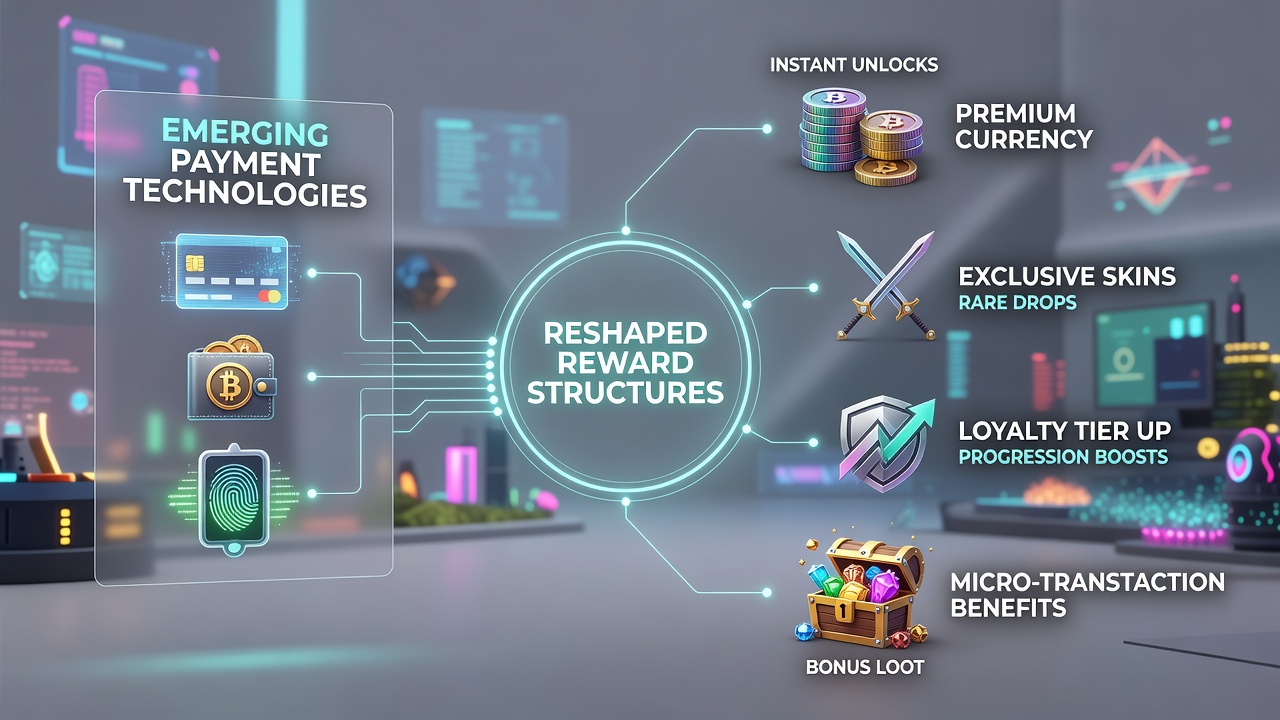
Payment technologies such as blockchain-based ledgers, stablecoin settlements, and instant digital wallet transfers have begun altering how virtual gaming platforms distribute and manage player rewards, according to industry data compiled through 2026. These systems allow platforms to issue rewards in tokenized formats that players can redeem across multiple titles or convert through external exchanges, while traditional credit card and bank transfer methods once limited reward cycles to weekly or monthly batches now face competition from near-instant alternatives.
Blockchain Integration and Tokenized Rewards
Platforms like Roblox and Fortnite have incorporated elements of distributed ledger technology to track reward points and virtual items, creating records that remain verifiable without central server dependency. Research from the Entertainment Software Association indicates that by October 2026 more than 40 percent of major Western gaming platforms had tested or deployed some form of blockchain-linked reward tracking, enabling developers to assign scarcity and ownership attributes to in-game items that previously existed only as database entries.
Tokenized rewards grant players the ability to trade or transfer items outside the original platform environment when smart contracts permit, a shift that has prompted several studios to revise their terms of service to maintain control over virtual economies. Data released by the European Commission’s digital economy unit shows that cross-platform reward portability increased transaction volumes in secondary markets by 28 percent between 2024 and 2026, while regulatory bodies in Australia reported similar growth in monitored digital asset exchanges tied to gaming.
Stablecoins and Real-Time Payout Mechanisms
Stablecoin adoption within gaming economies has reduced settlement times from several days to seconds in many cases, allowing developers to run time-limited reward events that conclude with immediate distribution. Platforms utilizing USDC or similar pegged assets can credit player accounts during live events without waiting for traditional banking rails to clear, a change documented in reports from Canada’s digital innovation agency.
Instant settlement also supports dynamic pricing models where reward values adjust based on real-time supply and demand signals pulled from on-chain activity. Observers note that this capability lets platforms experiment with reward multipliers during peak play hours, something previously constrained by batch processing schedules. One study from a Singapore-based research consortium found that platforms offering stablecoin-linked rewards recorded a 19 percent higher retention rate among users who participated in daily login bonuses compared with those using legacy point systems.
Wallet Connectivity and Cross-Platform Loyalty Programs
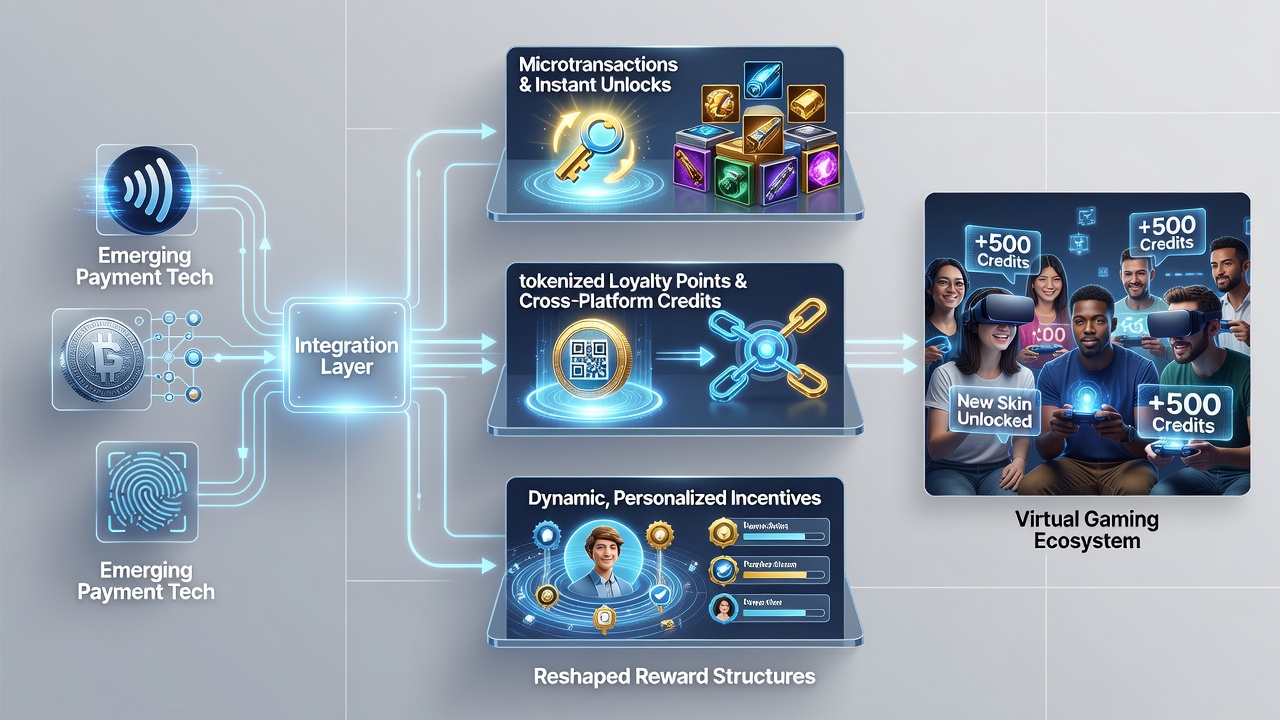
Digital wallets that support multiple cryptocurrencies and fiat on-ramps have simplified the process of linking player identities across different gaming ecosystems. Instead of maintaining separate accounts for each title, users can now carry a single wallet address that platforms recognize when issuing rewards, a development tracked by the OECD’s digital economy working group. This connectivity has enabled loyalty programs that aggregate activity from several games into unified reward tiers, with points or tokens that retain value when players switch titles.
Payment providers have introduced APIs that let gaming platforms pull transaction history to personalize reward offers without storing sensitive financial data on their own servers. According to figures published by Japan’s Ministry of Economy, Trade and Industry, the number of gaming platforms integrating such wallet APIs grew from 12 major services in 2023 to 47 by October 2026. The same report notes that average reward claim rates rose 34 percent on platforms that adopted these streamlined authentication flows.
Regulatory and Infrastructure Considerations
Authorities in multiple jurisdictions have begun issuing guidance on how tokenized rewards should be classified for tax and consumer protection purposes. The Australian Competition and Consumer Commission published updated digital marketplace rules in mid-2026 that require platforms to disclose whether rewards carry transferability features or remain locked within a single ecosystem. Similar frameworks under discussion in teh EU emphasize transparency around smart contract terms that govern reward expiration or forfeiture.
Infrastructure upgrades supporting faster payment rails, including central bank digital currency pilots in several countries, have further lowered barriers for smaller studios to offer competitive reward structures. These developments allow independent developers to bypass traditional payment processors and issue micro-rewards directly to player wallets, a pattern documented in academic papers from MIT’s Center for Digital Business.
Conclusion
Emerging payment technologies continue to expand the technical possibilities for reward design in virtual gaming platforms, with blockchain ledgers, stablecoin settlements, and interoperable wallets serving as primary drivers of structural change. Data collected through October 2026 shows measurable shifts in reward frequency, transferability, and cross-platform compatibility, while regulatory responses in multiple regions shape how these systems can operate at scale. The integration of these tools has produced new economic patterns within virtual environments that developers and players alike must navigate as adoption widens.